
Setting up a medical waste disposal plan is one of those things new practice owners know they need to handle but often aren’t sure where to start. The good news is that it doesn’t have to be complicated. With the right approach and a reliable disposal partner, you can have a compliant, straightforward plan in place before you ever see your first patient.
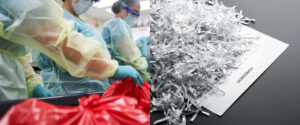
Understand What Counts as Medical Waste
Before anything else, take stock of the types of waste your practice will generate. Medical waste is a broad category, and what falls under it depends on your specialty. A dermatology office in Clearwater, for example, will produce different waste streams than an OB-GYN clinic in Tampa or a dental practice in Brandon.
Generally speaking, regulated medical waste includes things like blood-soaked materials, used sharps (needles, lancets, scalpels), pathological waste, and any items contaminated with potentially infectious material. Pharmaceutical waste, including expired medications and controlled substance remnants, is a separate category with its own disposal requirements. Knowing exactly what your practice will produce helps you choose the right containers, schedule appropriate pickups, and avoid compliance headaches later.
Get Your Containers and Labeling Right
Proper containment is at the heart of any compliant medical waste plan. Red bag waste goes into puncture-resistant, leak-proof red bags labeled with the biohazard symbol. Sharps go directly into approved sharps containers, never into regular trash bags. Pharmaceutical waste requires its own dedicated containers as well.
OSHA and your state health department have specific requirements for labeling, so make sure every container your staff uses is clearly marked before you open your doors. This isn’t just a regulatory box to check; it protects your team, your patients, and anyone who handles that waste downstream. If you’re not sure what’s required for your practice type, we’re happy to walk you through it.
Choose a Licensed, Local Disposal Provider
This step matters more than many new practice owners realize. Not every medical waste company is equal, and working with an unlicensed or non-compliant transporter puts your practice at risk, regardless of what the hauler tells you.
Look for a provider that holds a valid Transporter Permit and a Red Bag Letter, both of which demonstrate that the company is authorized to handle and transport regulated medical waste in Florida. At Biowaste Services, we keep both credentials available for anyone to view, because transparency is important to us. We’re a local company based right here in Tampa, and we serve practices throughout St. Petersburg, New Port Richey, Brandon, Clearwater, and surrounding areas, so we’re not some distant national company routing your calls through a call center. When you call us, a real person picks up.
We’d also encourage any new practice to be cautious about long-term contracts with large national providers. Some of those agreements come loaded with fuel surcharges, energy fees, and other add-ons that make your monthly bill unpredictable. Our pricing is flat-rate, with no hidden fees and no contract tying you in.
Set a Pickup Schedule That Fits Your Volume
Your disposal schedule should be based on how much waste your practice actually generates, not on a one-size-fits-all timetable imposed by your hauler. A busy surgery center will have very different needs from a small primary care office. Starting with a realistic estimate of your waste volume and adjusting from there is a practical approach.
Keep in mind that there are regulatory limits on how long certain types of medical waste can be stored on-site, so your schedule needs to account for those timelines. We can help you figure out what pickup frequency makes sense for your specific situation.
Train Your Staff and Document Everything
A disposal plan is only as good as the team following it. Make sure everyone who handles waste in your office, from medical assistants to front-desk staff, knows which materials go where and why. Brief training sessions at onboarding and periodic refreshers go a long way toward keeping your practice compliant.
Documentation matters too. Keep copies of your waste manifests, pickup records, and any correspondence related to disposal. These records demonstrate compliance if you’re ever subject to an OSHA inspection or health department review.
Ready to Get Started?
Getting a solid medical waste disposal plan in place before you open is one of the smartest things you can do as a new practice owner. If you’re setting up a clinic, dental office, med spa, or specialty practice in Tampa, Brandon, St. Petersburg, New Port Richey, Clearwater, or anywhere in the surrounding areas, we’d love to help you get it right from the start. Give us a call or drop us an email with any questions, and we’ll get back to you with a quote within 24 hours.